Table of Contents
| Section No. | Topic |
| 1.0 | Introduction: Vertical Living and the Legal Revolution |
| 1.1 | The Need for Change: Problems with the Old Leasehold System |
| 2.0 | The Sectional Properties Act (SPA) 2020: The New Gold Standard |
| 2.1 | Defining Sectional Ownership: Units vs. Common Property |
| 2.2 | The Ultimate Benefit: Separate, Bankable Title Deeds |
| 2.3 | Legal Implications for Freehold and Leasehold Land |
| 3.0 | The 7-Point Process for Registration and Conversion |
| 3.1 | Step 1: Preparation of the Sectional Plan |
| 3.2 | Step 2: County Approval and Survey Authentication |
| 3.3 | Step 3: Surrender of the Mother Title |
| 3.4 | Step 4: Closing the Master Register and Opening Unit Registers |
| 3.5 | Step 5: Issuance of Individual Titles |
| 3.6 | Mandatory Conversion of Existing Long-Term Leases |
| 4.0 | Governance and Management: The Owners’ Corporation |
| 4.1 | The Automatic Formation of the Management Corporation (Body Corporate) |
| 4.2 | Powers and Duties of the Corporation |
| 4.3 | Protection Against Developer Misconduct |
| 5.0 | Benefits for Investors: Liquidity, Leverage, and Value |
| 5.1 | Simplified Financing and Mortgage Access |
| 5.2 | Succession and Transfer Simplification |
| 6.0 | The Dennkarm Prime Properties Advantage in Vertical Development |
| 6.1 | Providing Clean Land for Sectional Development in Thigio in Kikuyu |
| 6.2 | Ensuring Compliance for Investor Security |
| 7.0 | More Information |
| 8.0 | Call to Action |
1.0 Introduction: Vertical Living and the Legal Revolution
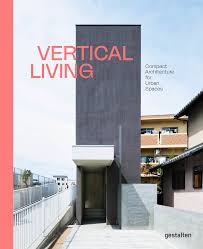
The future of Kenya Real Estate is vertical. As land becomes scarcer and urbanization accelerates, especially in high-growth corridors, multi-unit developments—apartments, townhouses, and mixed-use structures—are essential. This rise in density necessitated a legal overhaul to protect individual buyers. This change arrived with the Sectional Properties Act (SPA), 2020, which fundamentally redefined what it means to own a part of a building in Kenya.
This Ultimate 7-Point Masterclass is the definitive guide to understanding the SPA, its benefits for securing your Real Estate Investments, and the mandatory steps required for compliance. The Act provides absolute security and liquidity, ensuring that your apartment is a fully bankable asset, no longer tied to the risk of a developer’s ‘mother title.’
1.1 The Need for Change: Problems with the Old Leasehold System
Prior to the SPA, ownership of apartments was typically granted through a long-term sub-lease derived from a developer’s single, overarching ‘mother title.’ This system was fraught with problems:
- Lack of Individual Title: The individual owner lacked a separate, fully registered title deed, making it difficult to use the unit as collateral for a mortgage.
- Developer Dependency: The buyer’s ownership was dependent on the developer’s financial health and their willingness to cooperate in transferring shares in the management company.
- Management Disputes: Owners often had limited power over the management company, which was frequently controlled by the developer, leading to disputes over service charges and maintenance.
2.0 The Sectional Properties Act (SPA) 2020: The New Gold Standard
The Sectional Properties Act, 2020, repealed the outdated 1987 Act and aligned vertical ownership with Kenya’s modern land laws, creating a powerful, secure, and streamlined system for property ownership and management.
2.1 Defining Sectional Ownership: Units vs. Common Property
Sectional ownership divides the development into two distinct categories:
- The Unit: The specific space owned exclusively by the individual owner (defined by boundaries like walls, floors, and ceilings). This includes apartments, maisonettes, and offices.
- The Common Property: The shared areas owned collectively by all unit owners as tenants in common. This includes the land itself (if freehold), foundations, roofs, walls, lifts, staircases, parking areas, gardens, and shared utilities. The title deed for the unit explicitly states the owner’s proportionate share of this common property.
2.2 The Ultimate Benefit: Separate, Bankable Title Deeds
The core, ultimate benefit of the SPA is the issuance of a separate Certificate of Title (for freehold land) or Certificate of Lease (for leasehold land) to the individual unit owner.
- Indefeasible Ownership: This title is registered with the Land Registrar and is considered indefeasible proof of ownership, eliminating the dependency on the developer’s mother title.
- Simplified Transactions: The unit can be sold, transferred, or mortgaged just like a standard plot of land, significantly increasing market liquidity and reducing transaction time.
2.3 Legal Implications for Freehold and Leasehold Land
The Act applies equally to both forms of tenure where the intention is to confer ownership:
- Freehold Developments: Unit owners receive a Certificate of Title for their unit and a proportionate share of the freehold reversionary interest in the land.
- Leasehold Developments: Unit owners receive a Certificate of Lease (provided the unexpired term of the mother title is at least 21 years). Crucially, the unit owner is now directly responsible for ground rent payment and renewal to the County/National Government, bypassing the developer.
3.0 The 7-Point Process for Registration and Conversion

The SPA mandates a clear, systematic process for creating new sectional units and converting old leases into the new, secure title system.
3.1 Step 1: Preparation of the Sectional Plan
The process begins with a licensed surveyor preparing a Sectional Plan from the county-approved building plans. This plan is crucial as it legally defines the boundaries, size, unit numbers, and the calculation of each unit’s proportionate share in the common property.
3.2 Step 2: County Approval and Survey Authentication
The Sectional Plan must be reviewed and endorsed by the relevant County Government (Physical Planning Department) to ensure compliance with local zoning and building codes. The plan is then authenticated by the Director of Survey.
3.3 Step 3: Surrender of the Mother Title
The developer, or the management company holding the mother title, must surrender the original title deed to the Land Registrar. This act legally closes the master register.
3.4 Step 4: Closing the Master Register and Opening Unit Registers
Upon verification of the Sectional Plan, the Land Registrar officially closes the register of the main parcel and opens separate, individual registers for each unit defined in the plan.
3.5 Step 5: Issuance of Individual Titles
The Land Registrar then issues a new Certificate of Title/Lease for each unit. This title reflects the exclusive ownership of the unit and the proportionate share in the common areas.
3.6 Mandatory Conversion of Existing Long-Term Leases
Section 13 of the SPA mandates that all long-term sub-leases (over 21 years, registered before the Act’s commencement) must be converted into sectional titles. This process can be initiated by the developer, the management company, or, failing that, by the individual unit owner, ensuring that even owners in older developments gain the full security of individual titles.
3.7 Cost Simplification and Stamp Duty
The Act simplifies transactions by removing the need for buyers to pay the developer’s lawyer’s fees for the transfer of reversionary interest. Furthermore, if stamp duty was paid correctly during the initial registration of the long-term lease, no additional stamp duty is required for the conversion to a sectional title. This makes the conversion process cost-effective.
4.0 Governance and Management: The Owners’ Corporation

The SPA replaces the old developer-controlled management company model (which was registered under the Companies Act) with a superior governance structure.
4.1 The Automatic Formation of the Management Corporation (Body Corporate)
Upon registration of the sectional plan, a Management Corporation (Body Corporate) is automatically formed by law. This Corporation comprises all registered unit owners and possesses perpetual succession.
- Purpose: The Corporation is responsible for the maintenance and management of all common property (security, landscaping, repairs, lifts).
- Democracy: Each unit owner automatically becomes a member, with voting rights proportional to their unit’s size (unit factor), ensuring a democratic and owner-driven management process.
4.2 Powers and Duties of the Corporation
The Corporation has specific powers and duties outlined in the Act and its bylaws, including:
- Setting and collecting mandatory service charges (levies).
- Enforcing bylaws (e.g., noise restrictions, pet rules).
- Maintaining accounts and records.
- Registering a charge against a unit owner’s title for failure to pay service charges, providing a strong enforcement mechanism.
- Resolving internal disputes through a designated dispute resolution committee.
4.3 Protection Against Developer Misconduct
The SPA offers unit owners significantly more protection against developer overreach:
- Mandatory Handover: The developer cannot control the Corporation indefinitely; control must eventually be handed over to the unit owners.
- Transparency: Developers are prohibited from selling units without a registered sectional plan, protecting buyers from misleading promises about open spaces or amenities.
5.0 Benefits for Investors: Liquidity, Leverage, and Value
For the investor, the SPA is a massive boost to the security and bankability of their Real Estate Investments.
5.1 Simplified Financing and Mortgage Access
Individual, clean title deeds eliminate the risk associated with the developer’s ‘mother title’ being used as collateral for the entire development. Banks and financial institutions now have a direct, legally secure charge over the individual unit, making mortgages and loans easier and faster to secure. This translates to increased marketability for the investor upon resale.
5.2 Succession and Transfer Simplification
Sectional titles simplify the transfer of property after death. Since the unit has its own title deed, it can be easily passed on through a Will or Grant of Probate without the complexity of transferring shares in a management company. This simplifies legacy planning for Diaspora investors.
5.3 Increased Market Value
Properties registered under the SPA are generally valued higher and sell faster than properties still under the older, more complex leasehold/share certificate system, as they offer buyers maximum security and bankability.
6.0 The Dennkarm Prime Properties Advantage in Vertical Development
While Dennkarm Prime Properties is primarily known for providing secure, freehold land for individual residential plots in areas like Thigio in Kikuyu, understanding the SPA is crucial for our clients who seek to transition into development.
6.1 Providing Clean Land for Sectional Development in Thigio in Kikuyu
For clients who purchase a larger parcel of land from Dennkarm Prime Properties in Thigio with the intention of building apartments or townhouses for sale (high-density development), the land provided is typically clean and freehold. This provides the most secure foundation for the developer, ensuring that the final individual titles issued to buyers will be Certificates of Title (the highest form of ownership security) and will not be tied to a restrictive leasehold term.
6.2 Ensuring Compliance for Investor Security
Dennkarm Prime Properties advises clients interested in high-density Real Estate Investments to:
- Engage a Surveyor Early: To prepare the Sectional Plan immediately after purchasing the land.
- Compliance: Ensure all developments adhere to the SPA and local Kiambu County zoning laws, guaranteeing that the final units are legally sound, bankable, and highly attractive to prospective buyers and tenants.
This proactive advisory role ensures that Dennkarm clients, whether buying individual plots or parcels for development, always secure a safe and compliant asset.
7.0 More Information
For further authoritative guidance on the Sectional Properties Act and its implications in Kenya, consult the following official resources:
- The Sectional Properties Act, 2020: The definitive legal document governing sectional ownership in Kenya.
- 🔗 [Search for “Sectional Properties Act 2020 Kenya Law” via Google]
- The Land Registration Act, 2012: Provides the framework for the issuance of titles under the new system.
- Law Society of Kenya (LSK): To find and verify the credentials of a qualified conveyancing lawyer specializing in sectional property.
- Institution of Surveyors of Kenya (ISK): For professional guidance on the preparation and verification of Sectional Plans.
- 5 Best Ways to Finance Land in Kenya
- Ministry of Lands and Physical Planning – Visit Here
8.0 Call to Action
Ready to maximize your Real Estate Investments by developing high-density, secure, and bankable units? Dennkarm Prime Properties offers prime, freehold land in Thigio in Kikuyu that provides the most secure foundation for sectional development.
Contact us today to discuss your development project and secure your land asset!
Dennkarm Prime Properties Contact Details:
- Phone/WhatsApp: +254-722-45-45-18 or +254-101-45-45-00
- Email: info@dennkarmproperties.com / sales@dennkarmproperties.com
- Website: Dennkarm Prime Properties